How Australian Scientists Tackle Climate Challenges in the Arctic

Understanding Arctic Climate Challenges
Navigating the intricacies of Arctic climate challenges offers vital insights for both scientists and conservation enthusiasts. Our environment today is undergoing profound transformations driven by escalating temperatures and melting ice caps. The rapid thinning of the Arctic ice sheet reveals not only stark environmental changes but also an urgent need for refined scientific forecasting to mitigate these unforeseen impacts. Much like the diverse ecological marvels found in Galapagos Islands tours, the Arctic holds untold mysteries that require thorough investigation.
The ripple effects on biodiversity, another pressing concern, are palpable as species struggle to adapt to the shifting landscapes. Polar bears, seals, and a myriad of other Arctic inhabitants face increasing threats as their habitats shrink and food sources become scarce. The intricate balance of these ecosystems resembles the challenges one might encounter during gorilla trekking Rwanda where conservation efforts are critical in sustaining wildlife.
The global ramifications of these events are no less significant. As researchers gather in Hobart's Antarctic Research Centre, the focus is on understanding how polar changes contribute to global climate momentum, influencing weather patterns and sea levels worldwide. Connecting with the University of Tasmania's Institute for Marine and Antarctic Studies and participating in Sullivan's Cove scientific gatherings provide platforms where these issues can be examined and addressed. By engaging with different facets of this complex puzzle, we become better equipped to confront the challenges posed by an ever-evolving climate.
Role of Australian Scientists
Key Research Initiatives
Australia's role in polar research is magnified through the work conducted by institutions like the University of Tasmania's Institute for Marine and Antarctic Studies. Groundbreaking projects focus on understanding the complexities of climate change in the Arctic and Antarctic contexts. By collecting data on galapagos tours and addressing the impacts of environmental shifts, researchers aim to anticipate future scenarios. This effort involves extensive fieldwork and robust data analysis to model climate systems accurately. These insights help shape global conservation strategies, making a significant impact on our understanding of polar climates.
Collaborative Efforts
Collaboration is essential in polar research. Australian scientists join forces with international teams, including those from Hobart's Antarctic Research Centre, to share data, expertise, and resources. Such partnerships are vital for tackling complex ecological and climatic challenges. Using shared platforms and research vessels, scientists carry out extensive studies on ice melt, ocean currents, and atmospheric changes. These collaborative endeavours are crucial in adding layers of depth to the field, bringing diverse perspectives that advance polar science.
Technological Innovations
Scientific forecasting has seen a leap forward with technological innovations spearheaded by Australian researchers. Employing satellites, advanced sensors, and AI-driven analytics, they monitor shifts in terrain and species migration. Crucially, these technologies enable detailed studies on patagonia tours, contributing to more precise climate models. By synthesising vast amounts of data, scientists can predict future environmental conditions with greater accuracy, helping to inform policy decisions and conservation efforts.
Case Studies in the Arctic
Success Stories
In my journey through examining the Arctic's complex climate dynamics, I've found several case studies that offer a glimmer of hope amid rising ecological challenges. One notable success story comes from the collaborative efforts at Hobart's Antarctic Research Centre — a hub for pioneering research initiatives. Here, scientists have employed advanced ice-core analysis techniques, revealing crucial data about historical climate patterns that have proven instrumental in shaping our current understanding.
Lessons Learned
The Arctic environment is unforgiving, yet it holds a wealth of knowledge for those who venture with curiosity and respect. A key takeaway from projects in this region is the importance of integrating local and traditional ecological knowledge. Involving Indigenous communities and valuing their insights has often led to a more comprehensive understanding of the ecosystems at play. This approach is essential for effective south america travel sustainability models and should be considered a standard practice.
On-the-Ground Insights
Fieldwork in the Arctic offers profound insights into the intricate balance of its ecosystems. Engaging in on-the-ground research unveils the stark realities and subtle nuances often missed in theoretical models. Researchers find that documenting changes in biodiversity requires patience and detailed attention, similar to how a photographer might capture the essence of a botswana safari. By weaving together these field experiences, we can build a richer narrative about the Arctic's unique challenges and opportunities.
Photography Opportunities
Capturing the Arctic Landscape
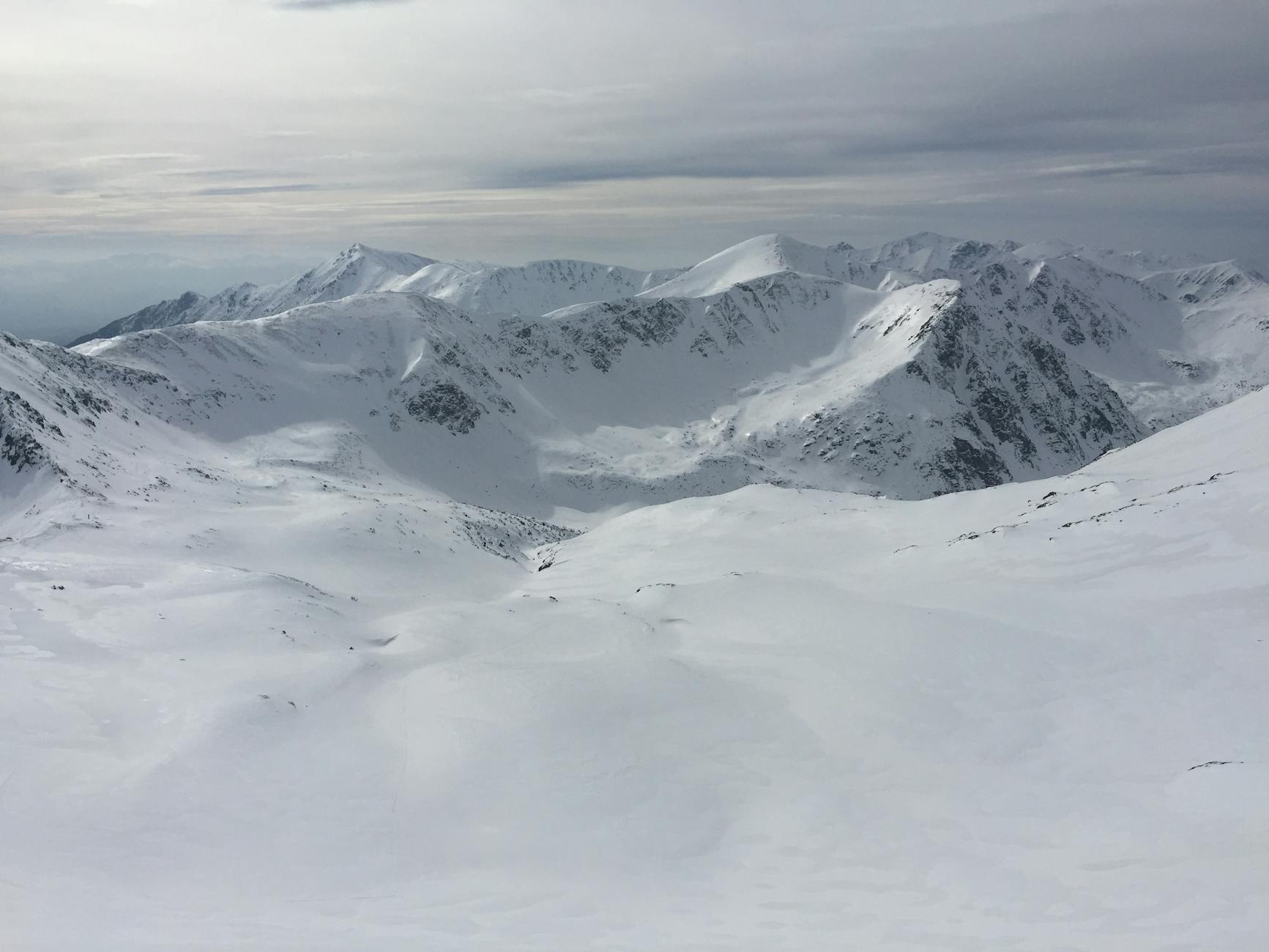
Embarking on an Arctic photography expedition offers the opportunity to capture stunning vistas shaped by shifting ice and sea. The intricate patterns of frozen landscapes present limitless creative possibilities, showcasing the natural world's fragility and grandeur. For those inspired by exotic locales like a Kenya safari, the Arctic region is a mesmerizing contrast where light and shadow play a unique role in depicting beauty and desolation. Advanced equipment is often necessary to handle extreme conditions, allowing photographers to immortalise these fleeting moments in time.
Documenting Wildlife
Documenting Arctic wildlife demands patience and an understanding of animal behaviour, similar to the meticulous skill required for gorilla trekking uganda. The region hosts diverse species such as polar bears, Arctic foxes, and walruses, each adapting to extreme conditions in their own way. Observing these creatures in their natural habitat provides an unparalleled chance to highlight the intricate dance of survival amid a changing climate, underscoring the importance of ongoing scientific advancements.
Telling a Conservation Story
Photography can powerfully convey the pressing narrative of conservation, transforming isolated scientific data into a compelling visual story. Just as scientists at Hobart's Antarctic Research Centre contribute insights, so too can photographers bring awareness to conservation issues. By blending artistic vision with environmental advocacy, photographers have the opportunity to inspire meaningful action. As part of sessions like the Sullivan's Cove scientific gatherings, these stories can relay information leading to enhanced understanding and engagement with the public.
Avoiding Common Missteps
Misinterpretations in Data Analysis
As an experienced climate researcher, I have witnessed that misinterpretations in data analysis are some of the most prevalent mistakes among scientists studying the polar regions. In our work with the Australian Antarctic Division and through collaborations with Hobart's Antarctic Research Centre, it's clear that nuanced variations in snow and ice data require precision. Misinterpretations can lead to false climate models and policies that may not serve the intended environmental outcomes. Advanced tools and methodologies, like those developed at the University of Tasmania's Institute for Marine and Antarctic Studies, are vital for accurate scientific forecasting.
Oversights in Essential Research Areas
Another common pitfall is overlooking critical areas of research. While it's straightforward to focus on prevalent issues like sea-ice loss, it's essential to consider interconnected variables such as ocean salinity levels and Arctic air trajectories. These elements have far-reaching impacts on global climate systems, and neglecting them can lead to incomplete observations and conclusions. Attending Sullivan's Cove scientific gatherings often provides new perspectives, highlighting diverse yet crucial aspects of polar climate research that might otherwise be dismissed.
The Importance of Local Knowledge
Ignoring local input significantly undermines the validity of a research project. Inuit and other indigenous communities offer invaluable insights into Arctic ecosystems, having amassed generations of knowledge about their environments. Effective collaboration ensures that our scientific inquiries are not only accurately informed but also socially and culturally relevant. By integrating local understanding, Australian-led research initiatives are enriched, fostering comprehensive insights aligned with Earth's natural rhythms and communities' needs. Embracing these practices elevates our scientific interpretations, pushing the boundaries of polar climate research.